Carbonix

Stories

See how it works.

Five short illustrated stories that follow our process and materials from the plant to the place they do their job. No technical background needed.

Each story opens with a one-minute narrated introduction. Then pick any chapter from the map, and watch it with narration or step through it at your own pace.

Ironmaking

The P180 process

P180 · Iron for steelmaking

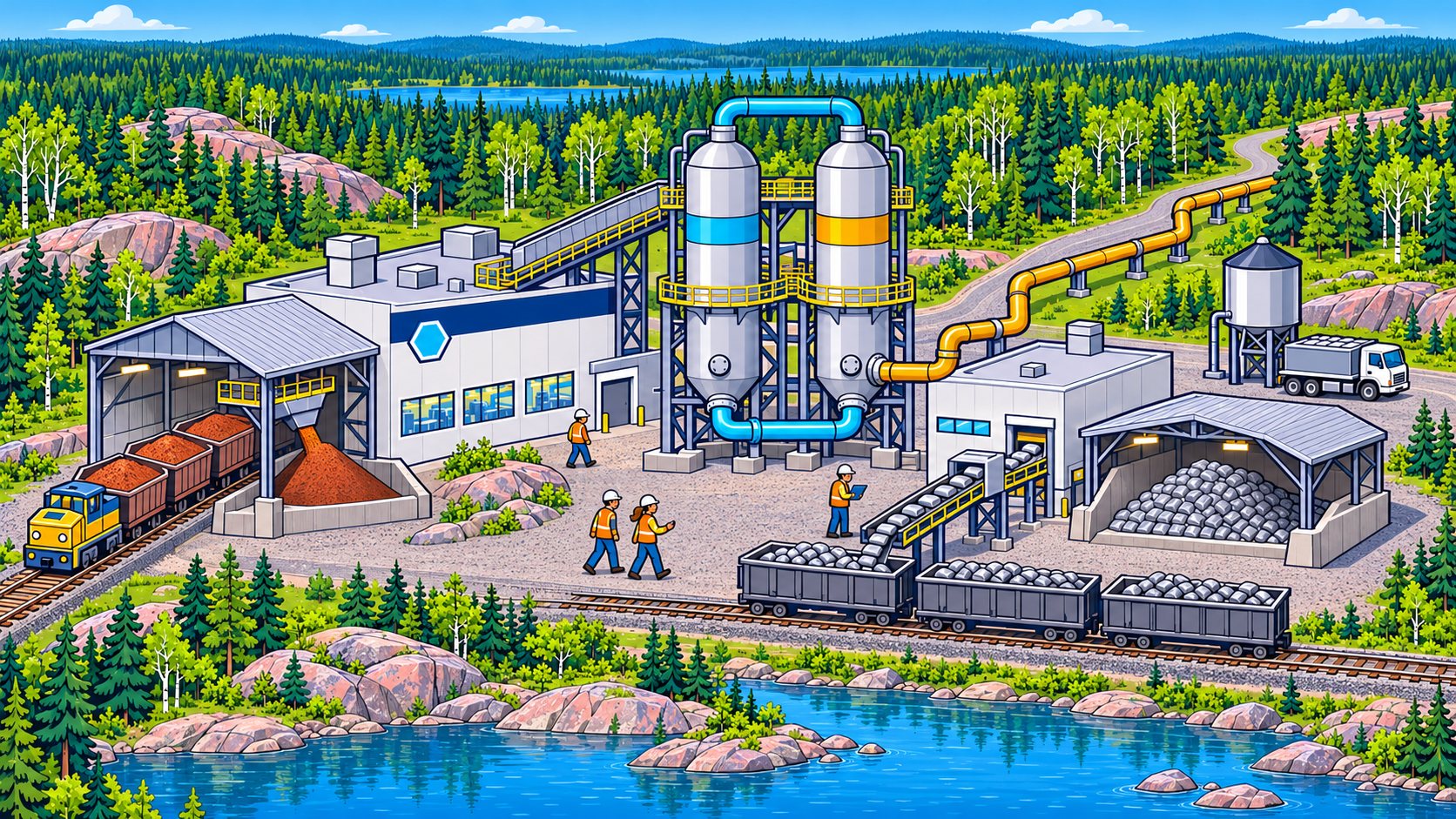
Follow the Iron

Follow iron ore concentrate through a P180 plant until it comes out as hot briquetted iron, the clean iron that electric arc furnaces blend with scrap to make steel. Along the way you’ll see how the plant makes its own hydrogen from natural gas, how that hydrogen takes the oxygen out of the ore, and why the carbon left behind is a product, not waste. It goes on to the steel mill as a carburizer and furnace foaming agent, and helps recover iron from slag.

Narrated · 6 chapters

  • The ore
  • Reactor 1, taking the oxygen out
  • Reactor 2, the iron goes to work
  • The hydrogen loop
  • Where the carbon goes
  • Briquettes and the steel mill
Watch the story

Carbon materials

Water, tailings and energy

Oil sands · Water and tailings

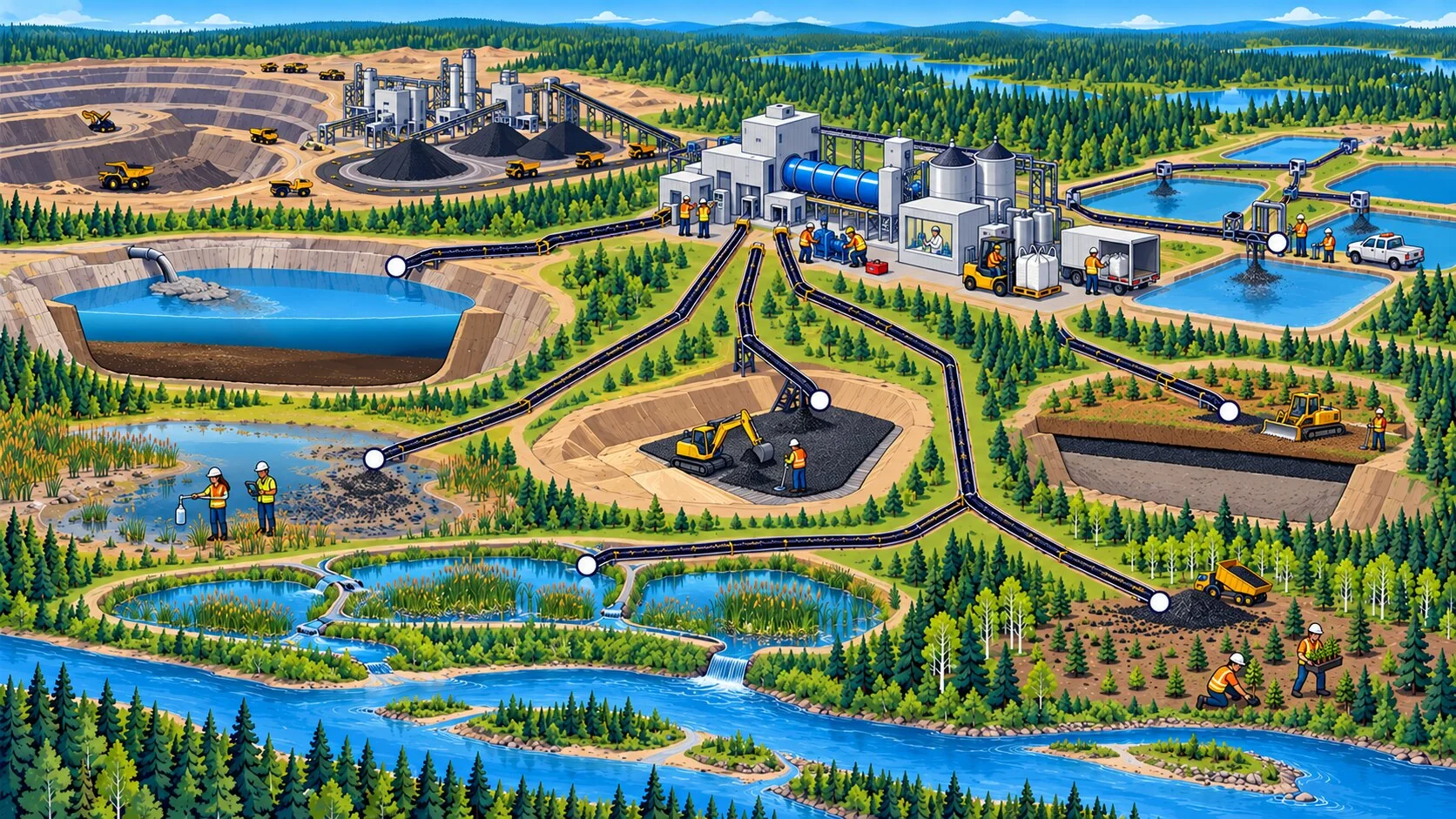
Follow the Carbon

Petroleum coke, left over from upgrading oil sands bitumen, is made into activated carbon and a carbon-based flocculant. The story follows those products across an oil sands site: settling tailings, cleaning water in the pipe, protecting pond shorelines, polishing water in wetlands, lining new ponds, capping old ones and rebuilding boreal forest soils. It ends with taking out the salt, the last step before the river.

Narrated · 9 chapters

  • The carbon plant
  • Polymer treatment of tailings
  • In-pipe water treatment
  • Pond shorelines
  • Wetland final polishing
  • Lining new ponds
  • Capping old ponds
  • Boreal forest soils
  • Taking out the salt
Watch the story

Mining · Water treatment

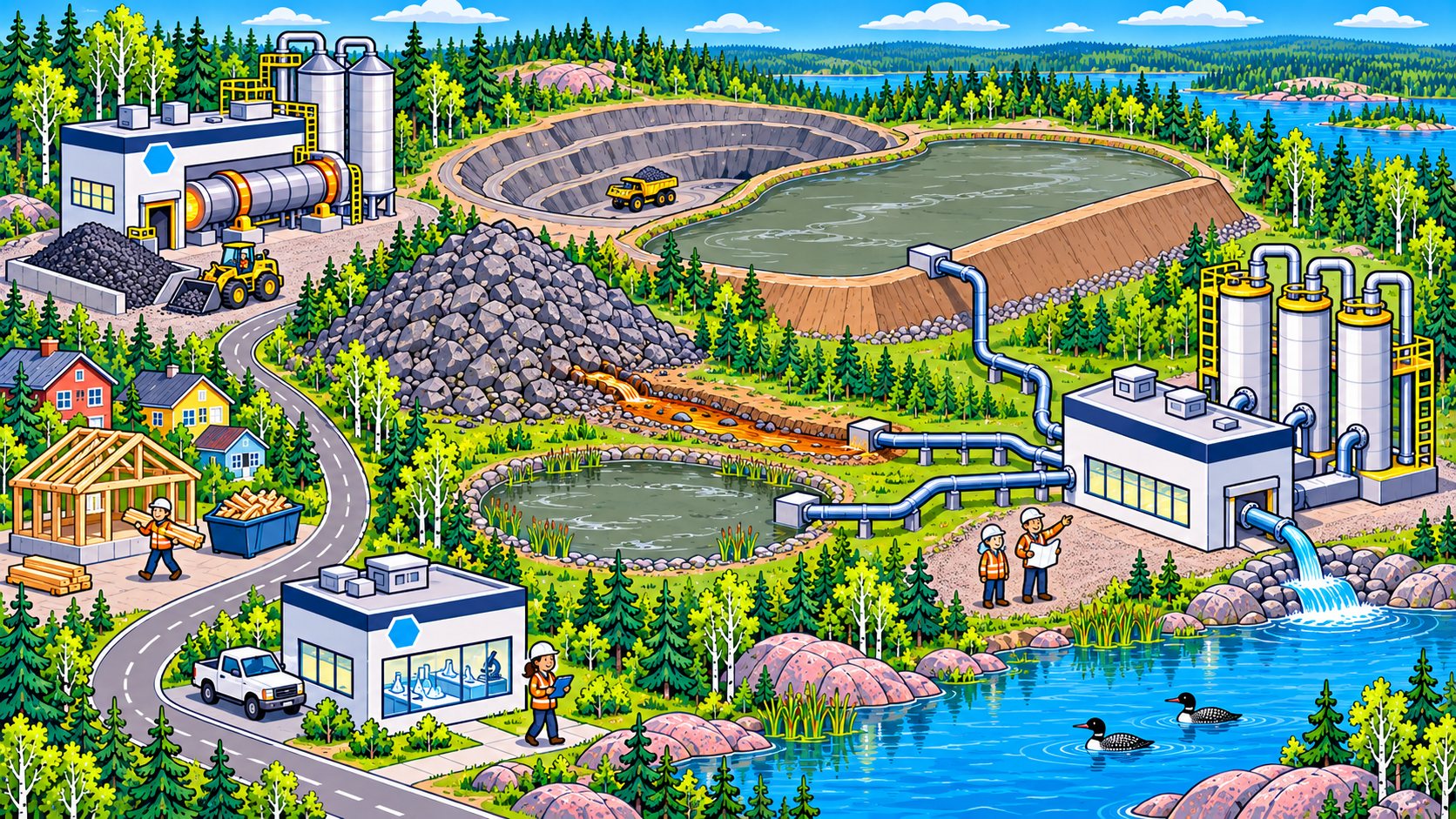
Follow the Water

Activated carbon can be made from what’s close at hand: petroleum coke, waste wood, and the tree species that logging leaves behind because there’s no market for them. This story shows how the carbon is matched to the water it has to clean. First the water is tested, then the carbon gets a finish designed to catch what’s in it. You’ll see finishes for chromium, arsenic and selenium. The same approach can be used for many other contaminants at working mines and the many abandoned ones.

Narrated · 5 chapters

  • Carbon from local leftovers
  • Testing the water
  • Chromium: the heat finish
  • Arsenic: iron and manganese
  • Selenium: the iron finish
Watch the story

Energy storage · Supercapacitors and batteries

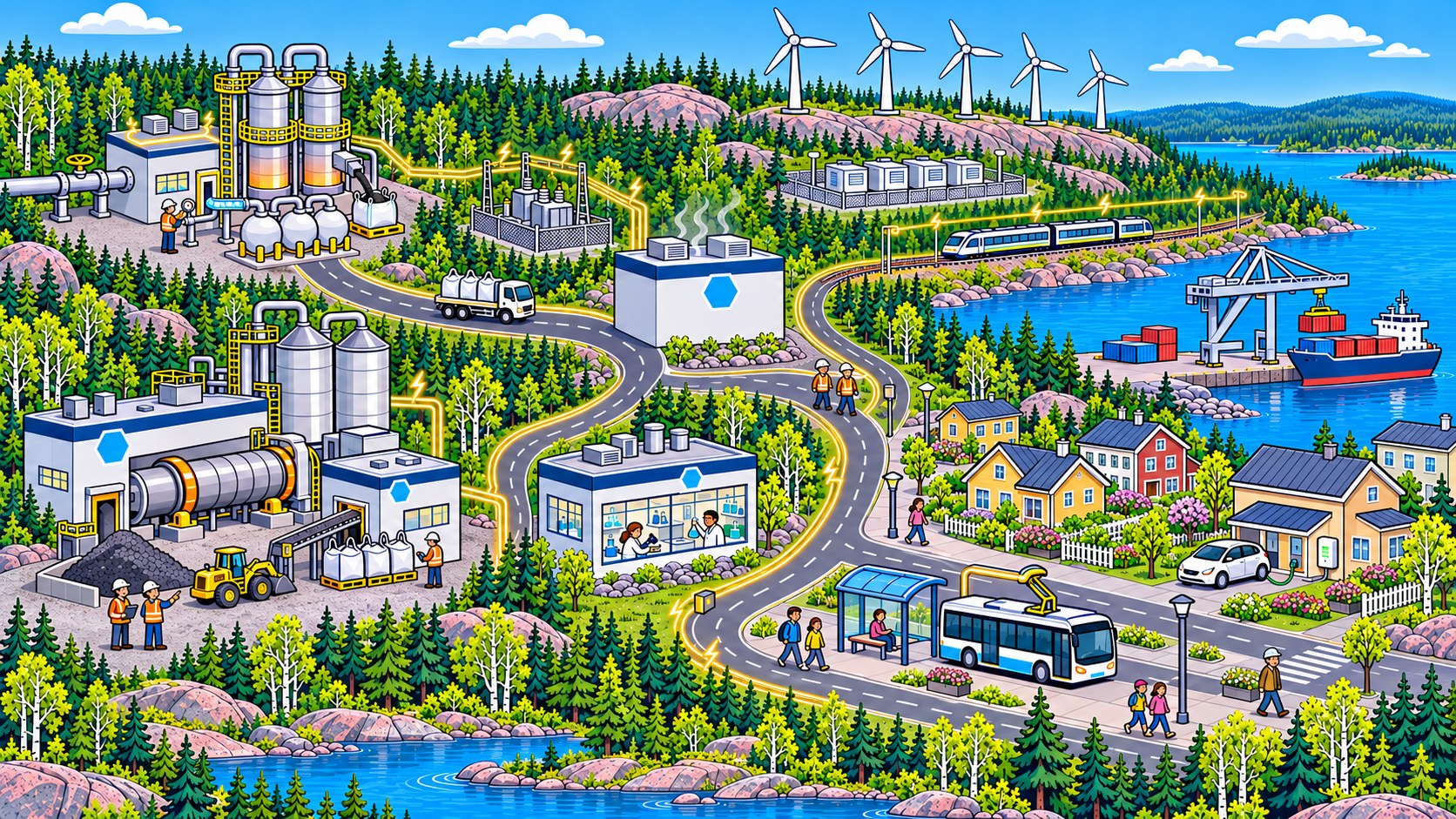
Follow the Charge

Two roads from carbon to stored energy. On the first, our petroleum coke activated carbon is finished into an electrode carbon for supercapacitors, which take in and give back power in seconds and stand up to hard, repeated use. On the second, it’s joined by carbon left over from making hydrogen, and the furnace turns both into graphite for lithium-ion batteries. The story ends by comparing the two ways to hold a charge.

Narrated · 8 chapters

  • How it’s made
  • What a supercapacitor does
  • Surface you can reach
  • Built for hard work
  • A second road joins
  • The furnace
  • Into the battery
  • Two ways to hold a charge
Watch the story

Energy · Fuel cells

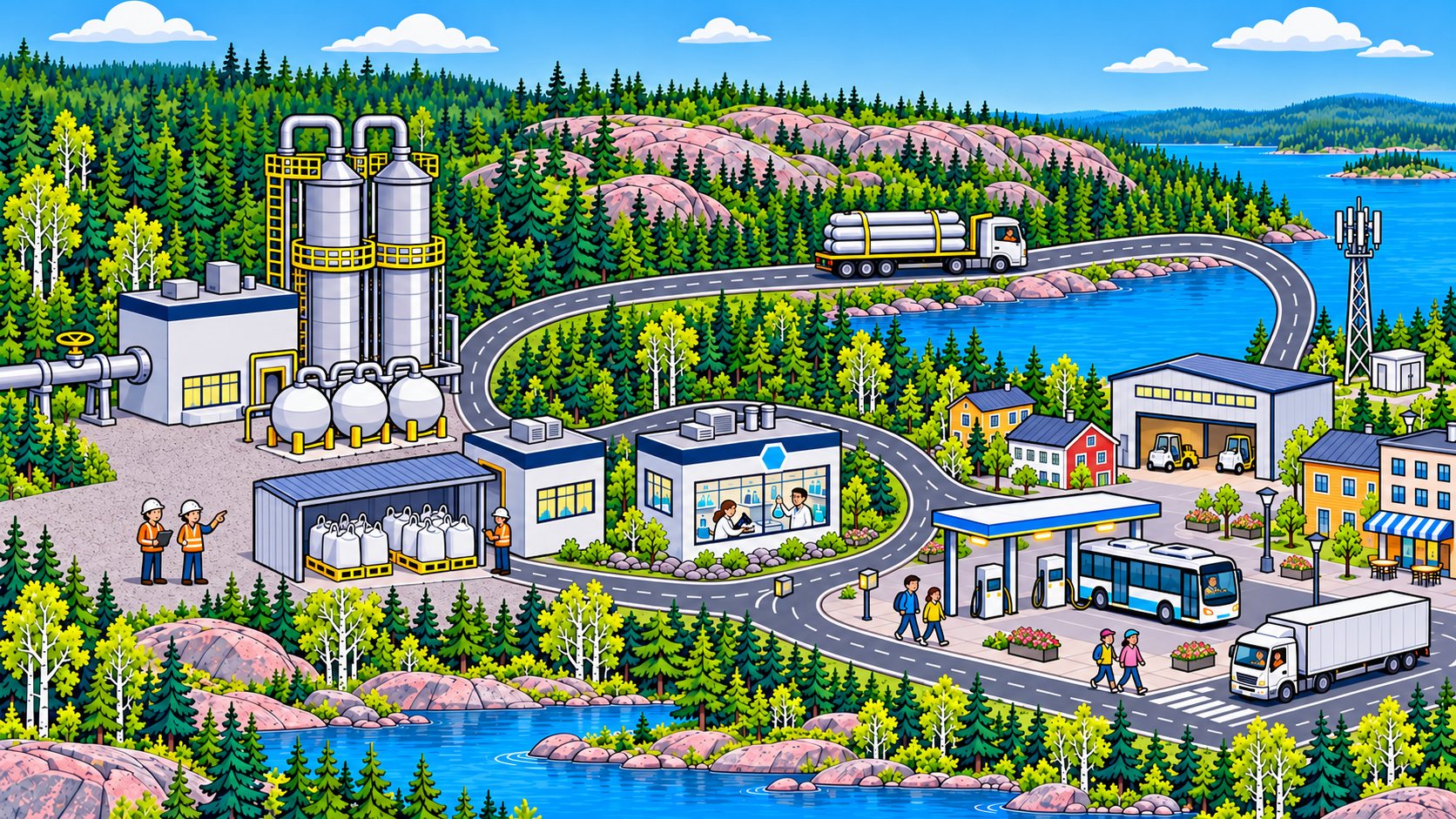
Follow the Hydrogen

When hydrogen is made from natural gas without releasing carbon dioxide, solid carbon is left behind. This story follows that carbon as it’s cleaned and opened up to become the support that holds the platinum in a fuel cell. You’ll see why a support that lasts matters for the fuel cells that power vehicles and provide backup power.

Narrated · 4 chapters

  • Born with the hydrogen
  • Cleaned and opened up
  • Holding the platinum
  • Built to last
Watch the story

Want the detail?

The P180 and Carbon materials pages set out the technology, the validation work and the published research behind these stories.

About P180 Carbon materials

Contact us.

Ore producers, steelmakers, investors, communities and partners: we’d like to hear from you.

General inquiries

info@carbonix.ca

Head office

697 Mountain Rd.
Fort William First Nation, ON P7J 1C1
Canada